
Why Businesses Are Shifting to Measurable Advertising
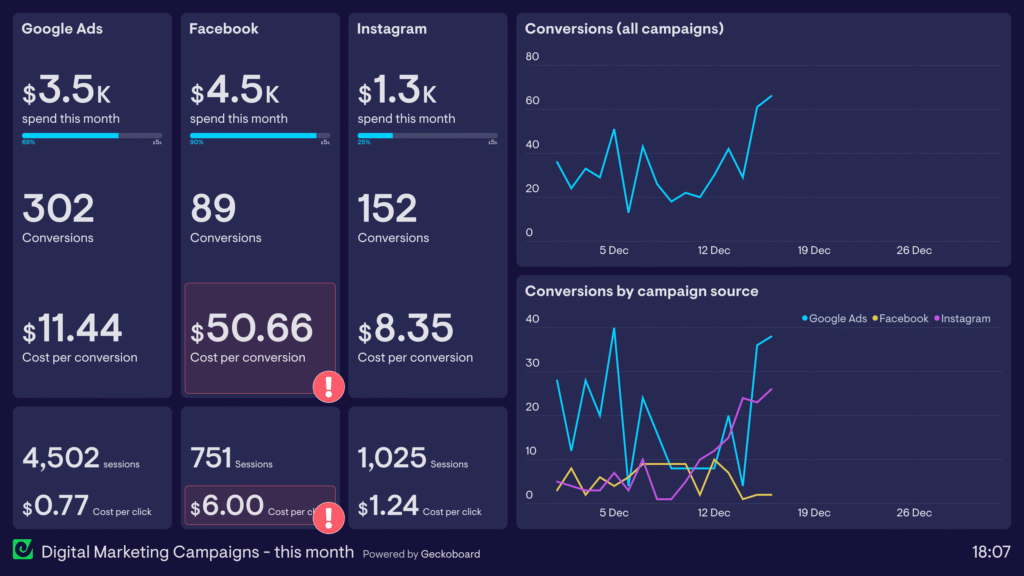
For years, companies spent large advertising budgets without truly knowing what worked. Traditional marketing relied heavily on estimates, brand recall studies, and broad reach metrics.
Today, that approach is rapidly changing.
Modern businesses demand measurable results, clear attribution, and efficient spending. This shift has given rise to performance marketing, a strategy where advertisers only pay for specific actions such as clicks, leads, or sales.
Instead of guessing whether a campaign worked, brands now track every step of the customer journey — from the first click to the final purchase.
This results-focused approach has made performance marketing one of the most powerful growth tools in digital advertising.
What Is Performance Marketing?
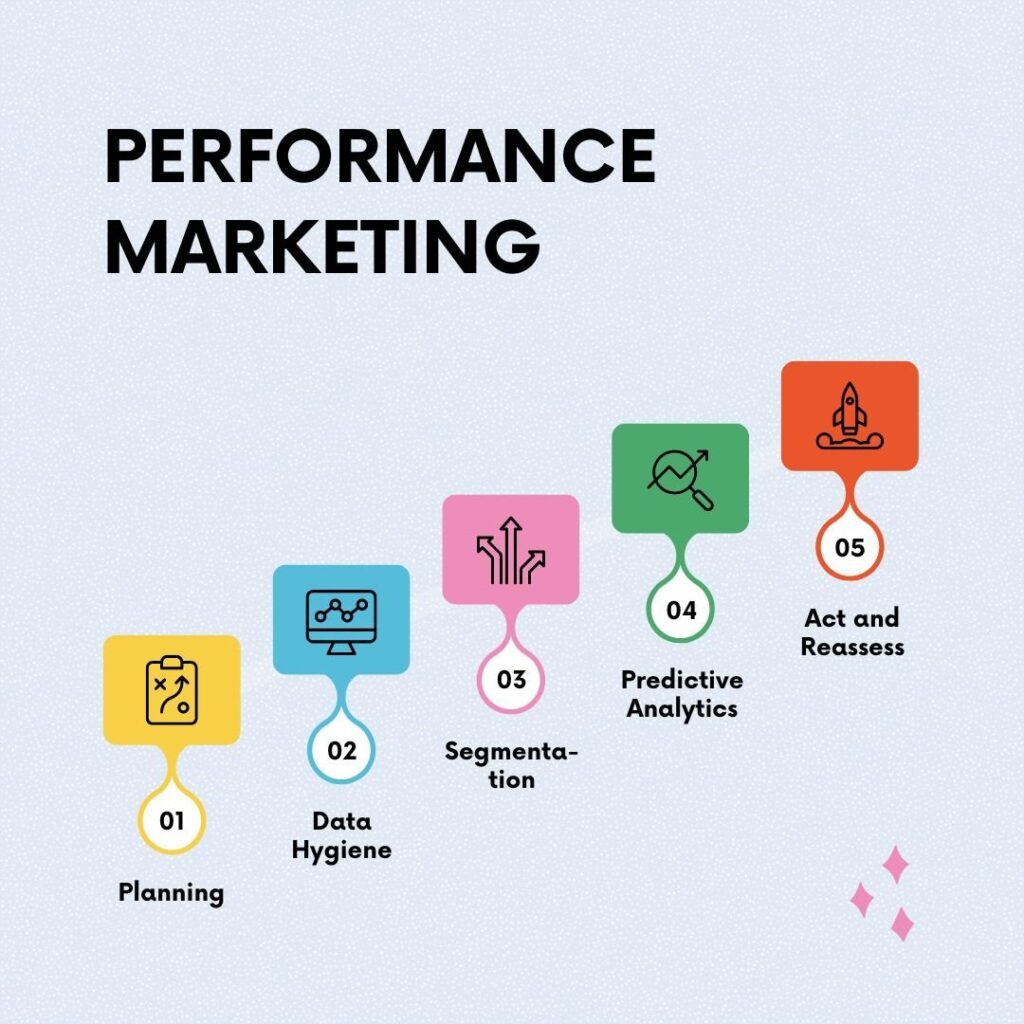
Performance marketing refers to online marketing strategies where advertisers pay only when a specific result occurs.
These results may include:
Website clicks
Lead form submissions
App installs
Product purchases
Email signups
Unlike traditional advertising models where businesses pay for exposure, performance marketing focuses strictly on outcomes.
This model benefits both advertisers and publishers:
Advertisers reduce risk because they pay only for measurable actions.
Publishers and platforms earn revenue when campaigns perform successfully.
Because of this mutual benefit, the strategy has become widely adopted across industries.
Key Channels Used in Performance Marketing
A successful performance marketing strategy usually combines multiple digital channels. Each platform helps drive measurable results in different ways.
1. Search Engine Advertising
Search platforms allow businesses to appear when users actively search for solutions. These campaigns typically generate high-intent traffic and strong conversion rates.
2. Social Media Advertising
Social media platforms offer powerful targeting options based on demographics, interests, and behavior. Brands use these tools to reach specific audiences and drive measurable actions.
3. Affiliate Marketing
Affiliate partners promote products through blogs, websites, or social channels. They receive commissions only when their promotions generate sales or leads.
4. Native Advertising
Native ads blend naturally into online content environments, helping brands promote products while maintaining a seamless user experience.
When combined strategically, these channels form a powerful system that drives consistent results.
Why Performance Marketing Is Growing So Fast
The Benefits Businesses Cannot Ignore
The popularity of performance marketing is not accidental. It offers several advantages that traditional marketing methods struggle to provide.
Measurable Return on Investment
Every campaign action can be tracked. Marketers know exactly how much revenue each campaign generates.
Budget Efficiency
Since advertisers pay only for results, marketing budgets are used more efficiently.
Real-Time Optimization
Campaigns can be adjusted instantly based on performance data. Underperforming ads can be paused, while successful ones can be scaled.
Advanced Audience Targeting
Modern advertising platforms allow businesses to reach highly specific audiences, increasing the likelihood of conversions.
These benefits make performance marketing particularly valuable for startups, e-commerce brands, and digital-first companies.
Best Practices for Successful Performance Marketing
Strategies That Deliver Better Results
To get the most out of performance marketing campaigns, businesses should focus on a few key principles.
Track Everything
Implement proper analytics tools and conversion tracking systems to measure campaign effectiveness accurately.
Test and Optimize Continuously
Successful marketers run multiple variations of ads, landing pages, and creatives to identify what works best.
Focus on High-Intent Traffic
Users actively searching for solutions often convert better than general audiences.
Improve Landing Page Experience
A well-designed landing page can significantly increase conversion rates and campaign profitability.
Use Data for Decision Making
Performance insights should guide future advertising strategies and budget allocations.
These practices help ensure campaigns remain efficient and profitable over time.
The Future of Performance Marketing
As digital platforms evolve, performance marketing is becoming even more sophisticated.
Artificial intelligence, automation tools, and predictive analytics are now helping marketers optimize campaigns faster than ever before.
Businesses that embrace these technologies gain a competitive advantage by making smarter marketing decisions based on real-time data.
In the coming years, the companies that succeed online will not necessarily be the ones that spend the most on advertising.
Instead, they will be the ones that measure, optimize, and scale their campaigns effectively.
That is exactly what performance marketing enables.